lunimasafetysolution.com

Author name: devender.kumar1971@gmail.com

Premier fire and safety training | Fast fire and safety training
Blog

Premier Fire and Safety Training: Build a Safer, More Prepared Workplace

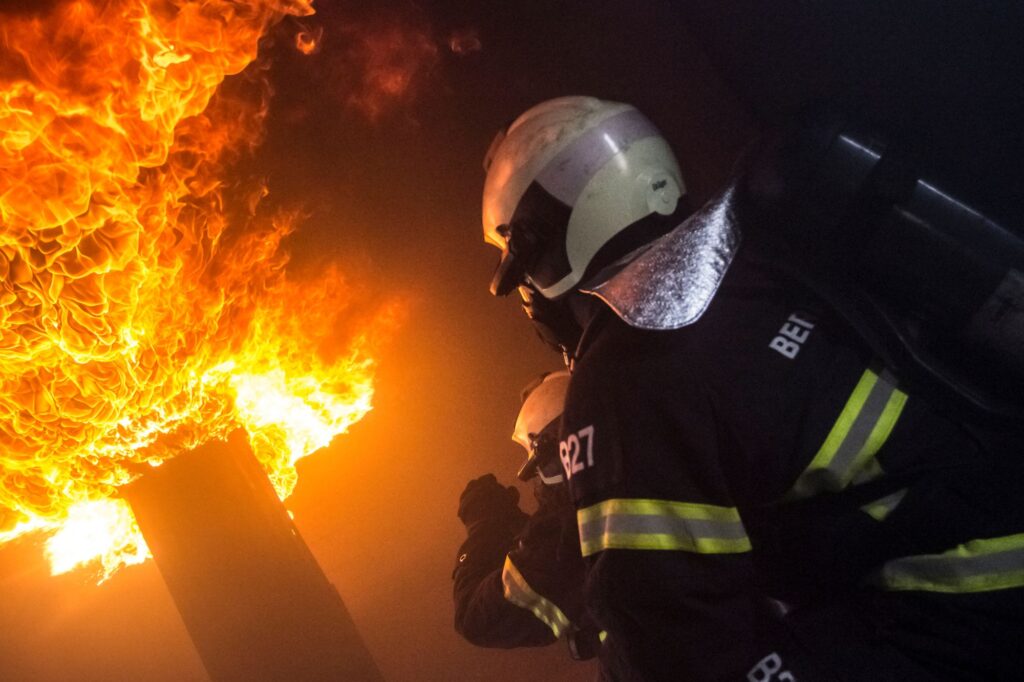
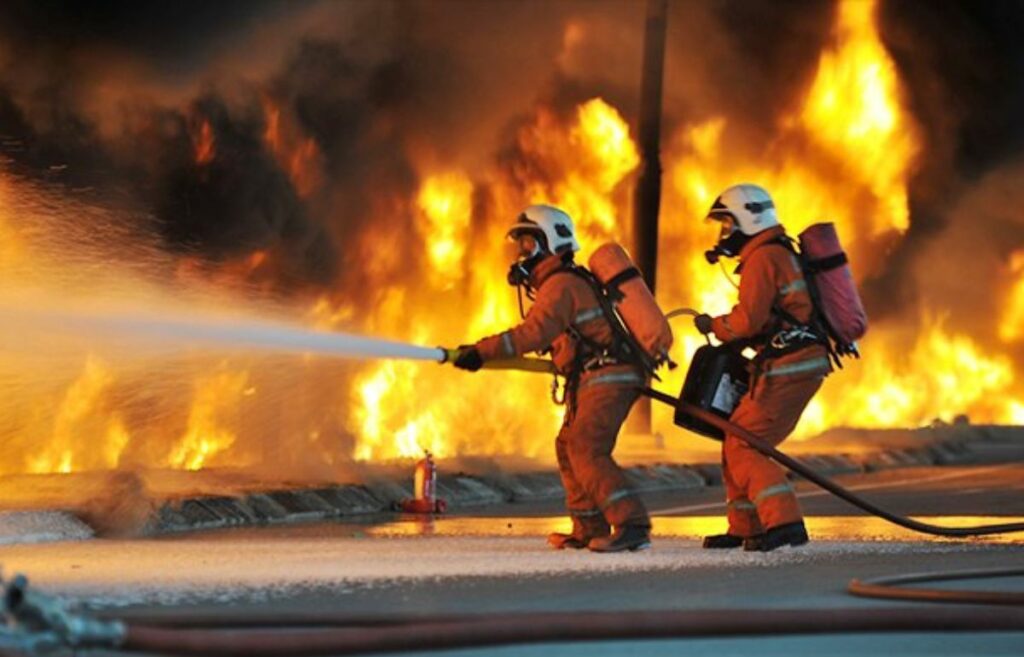
Fire and safety preparedness is no longer an optional part of workplace management. From factories and construction sites to offices, hospitals, schools, hotels, and commercial buildings, organizations need trained professionals who understand how to prevent hazards, respond to emergencies, and protect people and property. Lunima Safety Solution provides professional Premier Fire and Safety Training designed to develop practical safety awareness and emergency-response skills. With structured training and a focus on real-world workplace situations, the program can help employees and safety professionals become better prepared to handle fire emergencies and other common safety risks. What Is Premier Fire and Safety Training? Premier Fire and Safety Training is a structured training program that focuses on fire prevention, emergency preparedness, workplace safety, and appropriate response procedures. The training can cover essential areas such as: The exact training modules can be customized according to the industry, workplace environment, employee responsibilities, and applicable safety requirements. Why Is Fire and Safety Training Important? A fire emergency can develop quickly. Employees who have never received proper training may not know how to identify a hazard, raise an alarm, use an extinguisher appropriately, or evacuate safely. Regular training helps organizations create a stronger safety culture by ensuring that employees understand their responsibilities during an emergency. 1. Improves Fire Awareness Employees learn how fires can start and what workplace conditions may increase fire risk. This awareness can encourage safer day-to-day practices. 2. Develops Emergency Response Skills Training introduces employees to emergency procedures so they can respond more systematically instead of reacting without a plan. 3. Supports Safer Evacuation Employees can learn about evacuation routes, emergency exits, assembly points, and the importance of following designated emergency procedures. 4. Helps Identify Workplace Hazards Fire and safety training can teach participants how to recognize potential hazards involving electrical equipment, combustible materials, machinery, chemicals, housekeeping, and other workplace conditions. 5. Strengthens Workplace Safety Culture Safety is most effective when it becomes part of everyday workplace behavior. Regular training can encourage employees to take responsibility for identifying and reporting hazards. Key Topics Covered in Premier Fire and Safety Training A comprehensive program can include theoretical learning along with practical demonstrations. Fire Prevention and Protection Participants can learn about common causes of workplace fires and basic prevention measures. Topics may include safe storage, electrical safety, housekeeping, combustible materials, and ignition sources. Fire Extinguisher Training Understanding fire extinguishers is an important part of basic fire-response awareness. Training may explain different extinguisher types, their applications, operating principles, limitations, and safe-use procedures. Important: Employees should only attempt to tackle a small fire when it is safe to do so, they have been appropriately trained, and they have a clear escape route. Evacuation and raising the alarm should take priority when conditions are unsafe. Emergency Evacuation An effective evacuation plan can reduce confusion during an emergency. Training may cover: Workplace Hazard Identification Participants can learn to identify hazards before they become incidents. This may include recognizing unsafe electrical connections, blocked exits, poor housekeeping, improper storage, combustible materials, and other potential risks. Personal Protective Equipment Depending on the workplace and training scope, participants may learn about selecting, wearing, inspecting, and maintaining appropriate PPE. Emergency Preparedness Training can help organizations prepare for different emergency situations through procedures, communication protocols, drills, and clearly defined responsibilities. Who Can Benefit from Premier Fire and Safety Training? Fire and safety training can be useful for a wide range of organizations and professionals, including: The training level should be selected according to the hazards, responsibilities, and operational environment of each organization. Why Choose Lunima Safety Solution? Choosing an appropriate training provider is an important part of building an effective workplace safety program. Lunima Safety Solution focuses on practical fire and safety education that can help participants understand emergency procedures and workplace hazards more effectively. The training approach can be structured around: Practical Learning:Safety concepts are easier to understand when connected with realistic workplace situations. Experienced Guidance:Participants can receive structured guidance on fire prevention, emergency response, and workplace safety practices. Industry-Relevant Training:Training requirements can differ between an office, factory, warehouse, construction site, or commercial facility. Programs can be adapted according to the workplace environment. Safety Awareness:The objective is not simply to complete a training session but to encourage employees to make safer decisions in their everyday work. Benefits of Professional Fire and Safety Training Investing in employee safety training can provide several organizational benefits: However, training should be part of a broader safety management system. Fire protection equipment, emergency exits, alarms, inspections, risk assessments, maintenance, emergency plans, and drills should also be appropriately managed. How to Select the Right Fire and Safety Training Program Before choosing a training program, organizations should consider: Assess Your Workplace Risks Identify the types of hazards present at your facility. A manufacturing plant may have different risks from an office or school. Define Training Objectives Determine whether the training is intended for general employee awareness, emergency response teams, supervisors, safety professionals, or another specific group. Consider Practical Training Look for programs that combine theoretical knowledge with appropriate practical demonstrations and exercises. Check Trainer and Provider Credentials Organizations should verify the provider’s relevant experience, training methodology, qualifications, and applicable certifications or affiliations. Plan Regular Refresher Training Safety knowledge can fade over time. Refresher sessions and emergency drills can help reinforce important procedures. Building a Stronger Safety Culture Fire safety should not be treated as a one-day activity. It is an ongoing responsibility involving management, employees, safety teams, facility managers, and emergency-response personnel. A strong safety culture starts with simple habits: Professional Premier Fire and Safety Training can provide employees with the knowledge needed to support these practices. Conclusion Workplace safety begins with awareness, preparation, and the ability to respond appropriately when an emergency occurs. Premier Fire and Safety Training can help organizations educate their teams about fire prevention, emergency response, evacuation procedures, hazard identification, and essential safety practices. With Lunima Safety Solution, organizations can explore structured fire and safety training designed around their workplace requirements. Whether you operate an industrial facility, office,
Construction Safety Consultants
Blog

Expert Construction Safety Consultants | Lunima Safety Solution

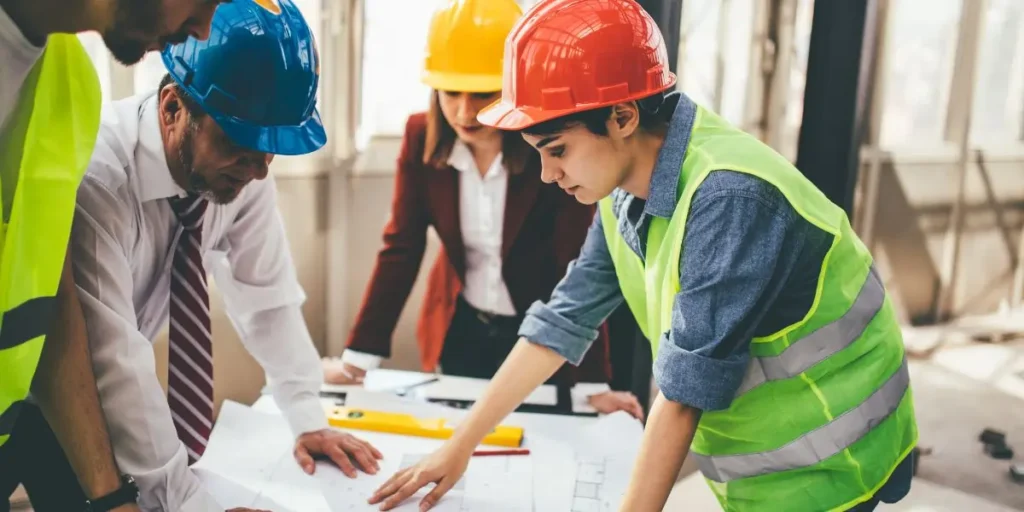
Construction Safety Consultants: Ensuring a Safer Workplace with Lunima Safety Solution In today’s fast-paced construction industry, safety is not just a regulatory requirement—it is a moral and economic imperative. Construction sites are inherently risky environments, with heavy machinery, hazardous materials, and high-risk tasks creating potential for accidents. To mitigate these risks, organizations increasingly rely on professional Construction Safety Consultants. At Lunima Safety Solution, we specialize in providing comprehensive safety solutions tailored to the construction sector. Our team of experts ensures your projects comply with safety regulations, minimize hazards, and promote a culture of safety on-site. Why Construction Safety Consultants Are Essential Construction projects are complex, involving multiple teams, subcontractors, and equipment. The dynamic nature of construction makes it vital to have a dedicated safety plan in place. Here’s why hiring professional Construction Safety Consultants is crucial: Services Offered by Lunima Safety Solution Lunima Safety Solution offers a comprehensive range of services designed to enhance safety on construction sites: By leveraging our expertise, construction companies can achieve a safer work environment, improve productivity, and build a reputation for prioritizing employee well-being. Benefits of Hiring Construction Safety Consultants Hiring a professional consultant goes beyond compliance; it provides tangible benefits to construction projects: Why Choose Lunima Safety Solution? At Lunima Safety Solution, our team combines years of industry experience with an in-depth understanding of construction safety regulations. Our approach is proactive and holistic, addressing every aspect of safety from planning to execution. We focus on: Our commitment is to ensure that every construction project is executed in the safest possible manner, protecting workers and ensuring project success. Frequently Asked Questions (FAQ) 1. What is the role of a Construction Safety Consultant?A Construction Safety Consultant evaluates site risks, ensures regulatory compliance, develops safety programs, and provides training to minimize workplace accidents. 2. Why is construction safety important?Construction safety protects workers, prevents financial losses, ensures project efficiency, and helps companies comply with legal requirements. 3. How can Lunima Safety Solution help my construction project?We provide risk assessments, site audits, safety training, emergency response planning, and regulatory compliance guidance to ensure a safe and efficient construction process. 4. Are your safety training programs customizable?Yes, our programs are tailored to meet the specific needs of your project, team, and regulatory requirements. 5. How often should a construction site be audited for safety?Sites should be audited regularly, ideally before project commencement, periodically during execution, and after any incident, to ensure ongoing compliance and safety. 6. Can your consultants assist with emergency preparedness?Absolutely. We develop comprehensive emergency response plans and train staff to handle incidents like fires, accidents, or natural disasters. Investing in professional Construction Safety Consultants like Lunima Safety Solution is an investment in the health, safety, and efficiency of your construction projects. By prioritizing safety, companies not only protect their workforce but also ensure the long-term success of their projects.

Uncategorized

Diploma vs Degree in Fire and Industrial Safety

Fire and industrial safety has become an important career field as organizations across manufacturing, construction, infrastructure, logistics, healthcare, energy and other industries focus on reducing workplace risks and improving emergency preparedness. For students and working professionals interested in this field, one common question is: Should I pursue a diploma or a degree in fire and industrial safety? Both options can provide knowledge and skills related to workplace safety, fire prevention, emergency response and industrial risk management. However, they differ in academic level, learning depth, duration, eligibility and potential educational pathways. This guide explains the key differences between a diploma and degree in fire and industrial safety so you can understand which type of program aligns with your education and career plans. What Is a Diploma in Fire and Industrial Safety? A diploma in fire and industrial safety is generally designed to provide focused education and practical knowledge related to fire prevention, workplace hazards and industrial safety. Depending on the program, students may learn about: Diploma programs can be relevant for students and professionals who want focused training in safety-related subjects or want to add a safety qualification to their existing educational background. What Is a Degree in Fire and Industrial Safety? A degree-level program provides broader academic exposure to fire safety, industrial safety, occupational health and related areas. For example, a BSc-level program in Fire, Industrial & Occupational Safety & HSE can combine theoretical learning with practical understanding of workplace safety and emergency management. Students may study areas such as: A degree can also provide a structured undergraduate academic pathway for students planning to build their education and career around safety and HSE. Diploma vs Degree in Fire and Industrial Safety: Key Differences The main differences can be understood through factors such as academic level, learning depth, duration, eligibility and future education plans. Factor Diploma Degree Academic level Diploma qualification Undergraduate degree Learning approach Focused and practical Broader academic and practical learning Subject coverage Generally focused on safety Wider coverage of safety, HSE and related subjects Duration Depends on the program Depends on the program Career pathway Can support entry into safety-related roles Can provide a broader undergraduate qualification Further education Depends on eligibility and institution Can provide a pathway to higher studies Suitable for Candidates seeking focused safety education Students seeking degree-level education The exact duration and eligibility should always be checked against the specific institution and program because these requirements can vary. What Do You Study in Fire and Industrial Safety? Fire and industrial safety programs can cover a wide range of subjects designed to help students understand workplace hazards and safety management. Fire Safety Students may learn about fire prevention, fire protection systems, firefighting equipment, fire hazards and emergency response procedures. Industrial Safety Industrial safety focuses on identifying workplace hazards and implementing measures to reduce risks associated with industrial operations. Occupational Health and Safety This area focuses on protecting workers from workplace hazards and supporting a safer working environment. Hazard Identification and Risk Assessment HIRA helps safety professionals identify hazards, evaluate risks and determine appropriate control measures. Emergency and Disaster Management Students can learn how organizations prepare for and respond to emergencies, accidents, fires and other unexpected events. Safety Management Systems Safety management involves establishing processes, procedures and responsibilities to manage workplace safety systematically. Career Opportunities After a Fire and Industrial Safety Course Fire and industrial safety education can support career opportunities across multiple industries. Depending on their qualification, experience, skills and employer requirements, professionals may work in roles such as: Potential employment sectors include: Professionals can also work with organizations providing safety consultancy, audits, training and risk-management services. For businesses, Fire and Safety Consultants in Greater Noida can assist with areas such as safety assessments, hazard identification, emergency preparedness, audits and workplace safety practices. Diploma vs Degree: Which One Is Suitable for You? There is no single course structure that suits every student. Your choice should depend on your current educational qualification, career objectives and future plans. A Diploma May Suit You If: A Degree May Suit You If: Before enrolling, compare the curriculum, eligibility, duration, practical exposure and recognition of the specific course. Eligibility for Fire and Industrial Safety Courses Eligibility requirements can differ between diploma and degree programs. Students should check: For students who have completed Class 12, undergraduate programs can provide an opportunity to pursue a structured degree-level education in fire, industrial and occupational safety. Diploma or Degree in Fire Safety After 12th? Students completing Class 12 may consider different options depending on their career plans. A diploma can provide focused technical education in fire and industrial safety, while a degree can offer broader undergraduate-level learning. Before selecting a course, students should consider: Students interested in professional safety education can also explore Fire and Safety Training in Greater Noida to understand practical safety skills, workplace hazards, emergency procedures and industry-oriented training options. Why Practical Training Matters in Fire and Industrial Safety Safety is a practical field. Classroom knowledge is important, but students also need to understand how safety principles are applied in real workplace situations. Practical training may include: Practical exposure can help students understand how safety procedures work beyond textbooks and theoretical concepts. How to Choose the Right Fire and Industrial Safety Course? Before enrolling in any program, consider the following checklist: 1. Check Eligibility Make sure you meet the academic and admission requirements. 2. Compare the Curriculum Look at the subjects covered and determine whether they match your career interests. 3. Understand the Course Duration Compare the duration and structure of different programs. 4. Check Practical Training Find out whether the program includes practical demonstrations, industrial exposure or safety exercises. 5. Check Recognition Understand what qualification or certification you will receive after completing the course. 6. Consider Future Education If you plan to pursue higher education later, check the available academic pathways. 7. Explore Career Opportunities Research the types of industries and roles associated with the qualification. 8. Understand Admission Requirements Check the latest admission criteria directly with the institution

Top Safety Certifications for Career Growth
Uncategorized

Building a Safer Workplace with Professional Safety Training

Workplace safety is one of the most important aspects of any business. Whether it is a construction site, factory, office, or warehouse, safety should always come first. Accidents not only harm employees but also affect business operations, reputation, and costs. This is where Safety Catch training and consulting plays a crucial role. With proper training and expert guidance, businesses can create a safe and productive working environment. What is Safety Catch Training and Consulting? Safety Catch training and consulting is a professional service that helps organizations identify risks, train employees, and implement safety measures. It focuses on preventing accidents and ensuring compliance with safety standards. Companies like Lunima Safety Solution provide complete safety support, including training programs, risk assessments, and safety audits. Why Workplace Safety is Important Every organization, regardless of size, must focus on safety. Here are some key reasons: Investing in Safety Catch training and consulting is not a cost—it is a long-term investment. Common Workplace Hazards Understanding risks is the first step toward prevention. Some common hazards include: With proper Safety Catch training and consulting, these risks can be identified and minimized effectively. Key Services Offered by Lunima Safety Solution Lunima Safety Solution is a trusted name when it comes to safety services. They offer a wide range of solutions under Safety Catch training and consulting, including: 1. Safety Training Programs Employees are trained on how to handle emergencies, use safety equipment, and follow proper procedures. 2. Risk Assessment Experts analyze the workplace to identify potential dangers and suggest preventive measures. 3. Safety Audits Regular audits ensure that safety standards are being followed correctly. 4. Fire Safety Training Employees are trained to handle fire emergencies using proper tools and techniques. 5. First Aid Training Basic medical training helps employees respond quickly during emergencies. Benefits of Safety Training for Employees When employees receive proper training, the results are clearly visible: This is why businesses are increasingly choosing Safety Catch training and consulting services. How Safety Consulting Helps Businesses Grow Many people think safety is only about avoiding accidents, but it also supports business growth. Here’s how: With expert guidance from Lunima Safety Solution, businesses can achieve both safety and growth. Industries That Need Safety Training Almost every industry can benefit from Safety Catch training and consulting, including: Each industry has different risks, and customized training is essential. Modern Safety Practices Today, safety training has become more advanced and effective. Some modern practices include: Companies like Lunima Safety Solution stay updated with the latest safety trends to provide the best services. Tips to Maintain Workplace Safety Even after training, daily practices matter a lot. Here are some simple tips: Combining these habits with Safety Catch training and consulting ensures long-term safety. Why Choose Lunima Safety Solution? Choosing the right partner for safety services is very important. Lunima Safety Solution stands out because: They are committed to creating safer workplaces through expert Safety Catch training and consulting. When Should You Consider Safety Training? You should invest in safety training if: Early action can save lives and costs. Final Thoughts Workplace safety should never be ignored. A safe environment not only protects employees but also helps businesses grow smoothly. With the help of professional Safety Catch training and consulting, companies can build a strong safety culture. If you are looking for expert guidance, Lunima Safety Solution is a reliable partner. Their comprehensive approach ensures that your workplace remains safe, compliant, and productive.

construction site safety training program
Blog

Construction Site Safety Training Program Courses

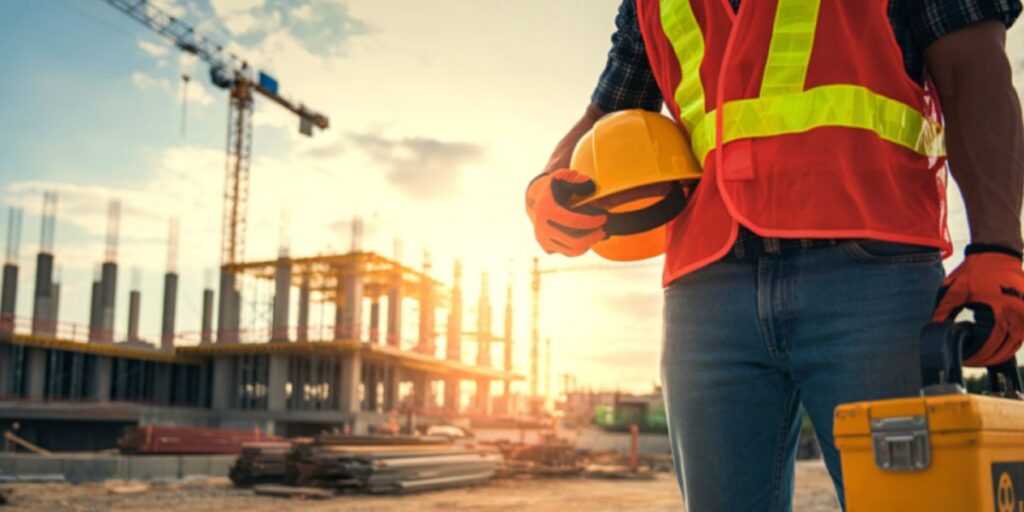
Construction Site Safety Training Program he construction industry is one of the fastest-growing sectors worldwide, but it is also among the most hazardous. From working at great heights to handling heavy machinery, construction workers face numerous risks daily. According to global safety reports, thousands of workplace accidents occur on construction sites every year due to inadequate safety knowledge. This is where Construction Site Safety Training Program Courses play a crucial role. These programs not only safeguard workers’ lives but also ensure that companies comply with government regulations, reduce costs, and improve productivity. Why Construction Site Safety Training is Important? Construction sites are full of potential hazards, including: Falls from scaffolding or ladders Heavy equipment accidents Electrical shocks and fires Chemical exposure Manual handling injuries Without proper training, workers may not be aware of the correct preventive measures, which can lead to accidents and legal issues for employers. Key Benefits of Safety Training: Reduces workplace injuries and fatalities Ensures compliance with OSHA, NEBOSH, and local safety standards Saves costs related to insurance, medical expenses, and legal fines Increases worker confidence and efficiency Creates a positive safety culture within the company What is a Construction Site Safety Training Program? A Construction Site Safety Training Program is a structured course designed to educate workers, supervisors, and contractors about workplace hazards, safe practices, and emergency response. Objectives of the Training: Identifying and minimizing workplace hazards Proper usage of PPE (Personal Protective Equipment) Safe handling of tools and machinery Emergency preparedness and first aid Building a culture of safety at work Types of Construction Site Safety Training Courses 1. General Safety Awareness Training Covers basic safety protocols, PPE usage, and hazard identification for all construction workers. 2. Equipment & Machinery Safety Training Teaches safe operation of cranes, forklifts, power tools, and heavy equipment. 3. Fall Protection Training Focused on preventing falls from ladders, scaffolds, and rooftops through harnesses and guardrails. 4. Fire & Electrical Safety Training Educates workers on fire prevention, fire extinguisher use, and electrical hazard awareness. 5. Hazard Communication & Chemical Safety Training Guides workers in safe handling of chemicals, reading safety data sheets (SDS), and avoiding toxic exposure. 6. First Aid & Emergency Response Training Provides workers with life-saving skills, including CPR, wound care, and evacuation procedures. 7. Manual Handling & Ergonomics Training Focuses on lifting techniques, reducing strain injuries, and improving workplace ergonomics. 8. Advanced Safety Leadership Training Designed for supervisors and managers to handle risk assessments, compliance, and safety audits. Course Structure & Learning Methods Safety training is delivered through a mix of: Classroom sessions – covering theory, regulations, and hazard awareness On-site practical training – real-life safety demonstrations E-learning modules – digital courses accessible anytime VR & AR simulations – interactive training for high-risk tasks Assessments & certifications – testing knowledge and ensuring skill development The duration of courses can vary from a few hours to several weeks, depending on the type of certification. Benefits of Enrolling in Safety Training Programs For Workers: Gain industry-recognized certifications (NEBOSH, IOSH, OSHA) Improve job opportunities and career growth Stay safe while working in high-risk environments For Employers: Compliance with safety regulations Reduction in workplace accidents and downtime Lower insurance premiums and compensation costs Enhanced company reputation in the industry Choosing the Right Safety Training Program When selecting a safety training program, consider: Accreditation: Ensure the course is recognized by OSHA, NEBOSH, or local authorities Trainer Expertise: Look for experienced trainers with real-world construction knowledge Relevance: The program should be tailored to your industry and work environment Flexibility: Online/offline learning options for convenience Certification Validity: Check how long the certification remains valid Future Trends in Construction Safety Training The construction industry is evolving, and so is safety training. Emerging trends include: Virtual Reality (VR) Training: Simulating high-risk environments for realistic learning AI-driven Monitoring: Smart sensors and cameras detecting unsafe practices Mobile Learning Apps: Training workers on-site via smartphones Global Safety Standard Integration: Alignment with ISO and international safety frameworks Construction sites are inherently risky, but with the right Construction Site Safety Training Program Courses, these risks can be minimized. Training not only protects workers’ lives but also ensures smooth business operations, legal compliance, and cost savings. 👉 Remember: A safe construction site is a productive construction site. Whether you are a worker looking to enhance your career or an employer aiming to safeguard your workforce, investing in safety training is the smartest decision.

Cleaning Chemical Safety: A Complete Guide for Safer Workplaces by Lunima Safety Solution
Blog

Cleaning Chemical Safety: A Complete Guide for Safer Workplaces by Lunima Safety Solution

In today’s fast-paced industrial, commercial, and residential environments, cleaning chemicals play a vital role in maintaining hygiene, sanitation, and operational efficiency. However, improper handling, storage, or usage of these chemicals can pose serious health risks and safety hazards. Cleaning chemical safety is not just a regulatory requirement—it is a critical responsibility for every organization that prioritizes employee well-being and workplace compliance. At Lunima Safety Solution, we believe that awareness, training, and the right safety practices are the foundation of a safe and productive environment. This comprehensive guide explains why cleaning chemical safety matters and how businesses can implement best practices effectively. Why Cleaning Chemical Safety Is Essential Cleaning agents often contain hazardous substances such as corrosives, irritants, flammable compounds, and toxic chemicals. Without proper cleaning chemical safety measures, workers may face risks like skin burns, respiratory problems, eye injuries, or long-term health complications. In sectors such as healthcare, hospitality, manufacturing, education, and corporate facilities, daily exposure to cleaning chemicals is unavoidable. This makes cleaning chemical safety a top priority to prevent accidents, ensure compliance with safety standards, and maintain operational continuity. Common Risks Associated with Cleaning Chemicals Understanding the risks is the first step toward improving cleaning chemical safety. Some of the most common hazards include: Lunima Safety Solution emphasizes identifying these risks early to reduce workplace incidents. Best Practices for Cleaning Chemical Safety 1. Proper Labeling and Storage All cleaning chemicals should be clearly labeled and stored according to manufacturer guidelines. Never transfer chemicals into unmarked containers, as this compromises cleaning chemical safety and increases the risk of misuse. 2. Employee Training and Awareness Regular training ensures employees understand safe handling procedures, hazard symbols, and emergency responses. Lunima Safety Solution provides professional safety training programs focused on cleaning chemical safety and compliance. 3. Use of Personal Protective Equipment (PPE) Gloves, goggles, masks, and protective clothing are essential when handling cleaning chemicals. Proper PPE significantly reduces exposure risks and enhances overall cleaning chemical safety. 4. Avoid Mixing Chemicals Mixing chemicals like bleach and ammonia can produce toxic gases. Strict protocols should be followed to prevent dangerous combinations. 5. Adequate Ventilation Ensure sufficient airflow in areas where cleaning chemicals are used. Good ventilation minimizes inhalation risks and supports safer operations. Regulatory Compliance and Cleaning Chemical Safety Government and industry regulations mandate strict guidelines for chemical handling and workplace safety. Non-compliance can lead to legal penalties, reputational damage, and employee injuries. Cleaning chemical safety compliance ensures your business meets safety standards while fostering trust among employees and clients. Lunima Safety Solution helps organizations align with safety regulations through audits, safety assessments, and customized safety solutions. Emergency Preparedness and Response Despite precautions, accidents can happen. Having emergency response plans, spill kits, eye wash stations, and first-aid measures in place is crucial for cleaning chemical safety. Quick response can minimize damage and prevent serious injuries. Why Choose Lunima Safety Solution? At Lunima Safety Solution, we specialize in delivering end-to-end workplace safety solutions tailored to your industry needs. Our expertise in cleaning chemical safety ensures that your organization not only complies with safety regulations but also creates a culture of responsibility and care. From safety training and PPE solutions to chemical risk assessments and compliance support, Lunima Safety Solution is your trusted partner in workplace safety. Conclusion Cleaning chemicals are essential, but their risks cannot be ignored. By prioritizing cleaning chemical safety, organizations can protect employees, enhance productivity, and ensure regulatory compliance. With the right guidance and professional support from Lunima Safety Solution, maintaining a safe and hazard-free environment becomes achievable and sustainable. Invest in cleaning chemical safety today—because a safe workplace is a successful workplace.

Road Safety Training
Blog

Road Safety Training: A Must for Every Road User

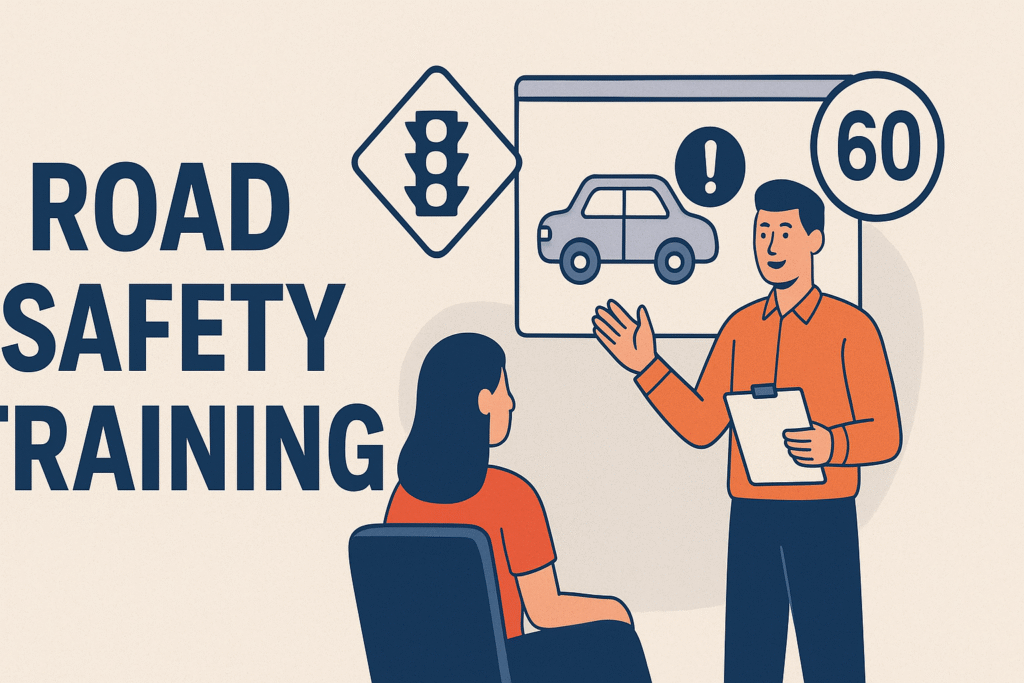
In today’s fast-paced world, road accidents have become one of the leading causes of injuries and fatalities globally. According to recent statistics, thousands of lives are lost every year due to negligence, poor driving habits, and lack of awareness about traffic rules. This makes road safety training an essential aspect for everyone, whether you are a professional driver, a student, or a pedestrian. What is Road Safety Training? Road safety training refers to structured programs and workshops designed to educate individuals about the importance of safe driving, traffic rules, and responsible behavior on roads. It covers a variety of topics including traffic regulations, defensive driving techniques, vehicle maintenance, emergency response, and pedestrian safety. These programs aim to reduce accidents, improve driver awareness, and create a safer environment for everyone on the road. Importance of Road Safety Training Types of Road Safety Training Key Takeaways for Effective Road Safety Why Invest in Road Safety Training Investing in road safety training is not just a regulatory requirement for many organizations—it’s a moral responsibility. Companies with trained drivers experience fewer accidents, lower insurance costs, and improved employee productivity. For individuals, training provides confidence, skill enhancement, and the ability to respond effectively during emergencies. Road safety is a shared responsibility. By enrolling in road safety training programs, every road user can contribute to safer streets, reduce accidents, and save lives.

Chemical Safety
Blog

Chemical Safety Training Program: Safeguarding Lives and Workplaces

When it comes to handling chemicals—whether in laboratories, factories, construction sites, or even cleaning services—safety is not optional. It’s a necessity. A Chemical Safety Training Program is the cornerstone of a healthy, hazard-free working environment, helping employees understand risks, handle substances responsibly, and react effectively in case of emergencies. In this blog, we’ll explore everything about Chemical Safety Training Programs—what they are, why they matter, who needs them, and how to implement an effective one. 🔍 What is a Chemical Safety Training Program? A Chemical Safety Training Program is a structured course designed to educate workers on the proper handling, storage, usage, and disposal of hazardous chemicals. It also includes instructions on the correct use of PPE (Personal Protective Equipment), understanding Safety Data Sheets (SDS), and what to do during spills or chemical-related emergencies. 🧪 Why is Chemical Safety Training Important? Chemicals can be toxic, corrosive, flammable, or reactive. Mishandling even a small amount can lead to: A well-designed training program reduces these risks significantly. 👩‍🏭 Who Needs Chemical Safety Training? Any individual who works in environments involving chemicals must undergo chemical safety training, including: Even managers should understand the basics to ensure compliance and oversight. 📚 Key Components of a Chemical Safety Training Program 1. Understanding Hazardous Chemicals 2. Reading and Interpreting Safety Data Sheets (SDS) 3. Proper Labeling and Signage 4. Personal Protective Equipment (PPE) 5. Storage and Handling Procedures 6. Spill and Emergency Response 7. Waste Disposal Guidelines 🏢 How to Implement an Effective Chemical Safety Training Program ✅ 1. Assess the Risk Identify all hazardous substances present in your workplace and assess the associated risks. ✅ 2. Customize the Training Adapt the training modules based on the specific chemicals and work processes relevant to your industry. ✅ 3. Engage Qualified Trainers Use certified occupational safety professionals or chemical safety experts to conduct sessions. ✅ 4. Include Hands-On Practice Real-life demonstrations and mock drills enhance understanding and confidence. ✅ 5. Use Clear and Visual Materials Leverage videos, infographics, and real-life case studies to make content engaging and relatable. ✅ 6. Monitor and Evaluate Regular quizzes, feedback forms, and observation of on-job practices can help improve the program continuously. 📝 Legal Requirements and Compliance Most countries have regulations related to chemical safety, such as: Non-compliance can result in hefty fines, workplace accidents, and even shutdowns. 🌱 Benefits of Chemical Safety Training 🛡️ Choose the Right Training Partner Whether you’re a manufacturing plant or a hospital, choosing an experienced training provider is essential. Look for: 💬 Final Thoughts Investing in a Chemical Safety Training Program is not just about ticking a compliance box—it’s about creating a culture of safety, responsibility, and care. With proper training, employees are not only protected, but they also feel valued and empowered to contribute to a safer, more productive workplace.

fire and safety training
Blog

Fire and Safety Training: Why It’s Essential for Every Workplace | Lunima Safety Solution

Introduction In today’s fast-paced industrial and corporate environments, fire and safety training is not just a compliance requirement — it’s a vital necessity. Every year, thousands of fire incidents occur due to negligence, lack of awareness, or inadequate emergency preparedness. That’s where Lunima Safety Solution steps in — providing professional fire and safety training programs designed to protect lives, assets, and businesses. What Is Fire and Safety Training? Fire and safety training is an organized process that teaches employees how to identify fire hazards, use firefighting equipment, and respond effectively during emergencies. This training equips staff with essential safety knowledge — from understanding fire prevention techniques to learning evacuation procedures. At Lunima Safety Solution, our training programs are customized for diverse industries such as manufacturing, construction, corporate offices, educational institutions, hospitals, and more. Importance of Fire and Safety Training in the Workplace Workplaces today face numerous risks — and fire is one of the most dangerous. Implementing fire and safety training ensures: By investing in fire and safety training, organizations show commitment toward employee well-being and workplace safety culture. Why Choose Lunima Safety Solution? When it comes to fire and safety training, Lunima Safety Solution stands as a trusted leader with years of industry expertise. Here’s what makes us different: ✅ Certified Trainers Our instructors are certified professionals with real-world firefighting and safety experience. ✅ Customized Training Modules We design training programs according to your industry type, risk level, and workforce size. ✅ Practical Demonstrations We focus on hands-on learning — including live fire drills, extinguisher handling, and emergency response practice. ✅ Comprehensive Safety Solutions Apart from fire training, we also offer first aid training, evacuation planning, and safety audits. ✅ Post-Training Assessment We ensure every participant understands and applies safety measures effectively through quizzes and mock drills. Types of Fire and Safety Training Offered by Lunima Safety Solution Each program at Lunima Safety Solution follows international fire safety standards to ensure maximum preparedness. Key Benefits of Fire and Safety Training How Lunima Safety Solution Delivers Effective Training Our approach to fire and safety training focuses on interactive learning rather than theory-heavy sessions. We combine: This ensures your team doesn’t just learn — they experience safety in action. Industries We Serve Whether you run a small office or a large manufacturing plant, Lunima Safety Solution offers tailored fire and safety training to suit your operational needs. Let’s Build a Safer Tomorrow Fire incidents can happen anytime — but their impact can be minimized with the right training and preparedness. Empower your team with Lunima Safety Solution’s fire and safety training programs and make your workplace a safer, compliant, and confident environment.

Best Road Safety Awareness Programme
Blog

Road Safety: A Step Towards Saving Lives | Lunima Safety Solution

Road safety is not just a personal responsibility; it’s a collective effort that helps save millions of lives every year. With increasing traffic, fast-paced lifestyles, and growing urbanization, the importance of road safety has never been greater. At Lunima Safety Solution, we are committed to spreading awareness and providing the best training and solutions to ensure safer roads for everyone. Why Road Safety Matters Every year, thousands of accidents occur due to negligence, overspeeding, drunk driving, or lack of awareness. Road accidents not only cause injuries and loss of life but also affect families emotionally and financially. Following road-safety rules can reduce accidents by up to 70%, making it one of the most important aspects of responsible living. Key Road Safety Rules Everyone Must Follow 1. Always Wear Seat Belts and Helmets Whether you’re driving a car or riding a two-wheeler, safety gear like seat belts and helmets can be lifesaving. 2. Follow Traffic Signals and Road Signs Traffic rules exist for a reason – to create harmony on the road. Ignoring them can cause severe accidents. 3. Avoid Over Speeding Speed thrills, but it kills. Staying within speed limits ensures better control of your vehicle. 4. Say No to Drunk Driving Driving under the influence of alcohol or drugs impairs judgment and increases accident risks. 5. Avoid Mobile Phones While Driving Texting or calling while driving distracts you and is one of the leading causes of accidents worldwide. Road Safety for Pedestrians Road safety is not limited to drivers; pedestrians also play an important role. The Role of Lunima Safety Solution in Road-Safety At Lunima Safety Solution, we believe that awareness, training, and discipline are the keys to preventing road accidents. We provide: Our mission is to build a safer future by educating individuals and organizations about the importance of safety on roads and beyond. How Road Safety Benefits Everyone Conclusion Road safety is not just about following rules; it’s about respecting life – yours and others’. Every small action counts, whether it’s wearing a helmet, following traffic lights, or avoiding distractions while driving. At Lunima Safety Solution, we are dedicated to promoting road safety awareness through training, education, and solutions that make a real difference.