lunimasafetysolution.com

Blog

Chemical Safety
Blog

Chemical Safety Training Program: Safeguarding Lives and Workplaces

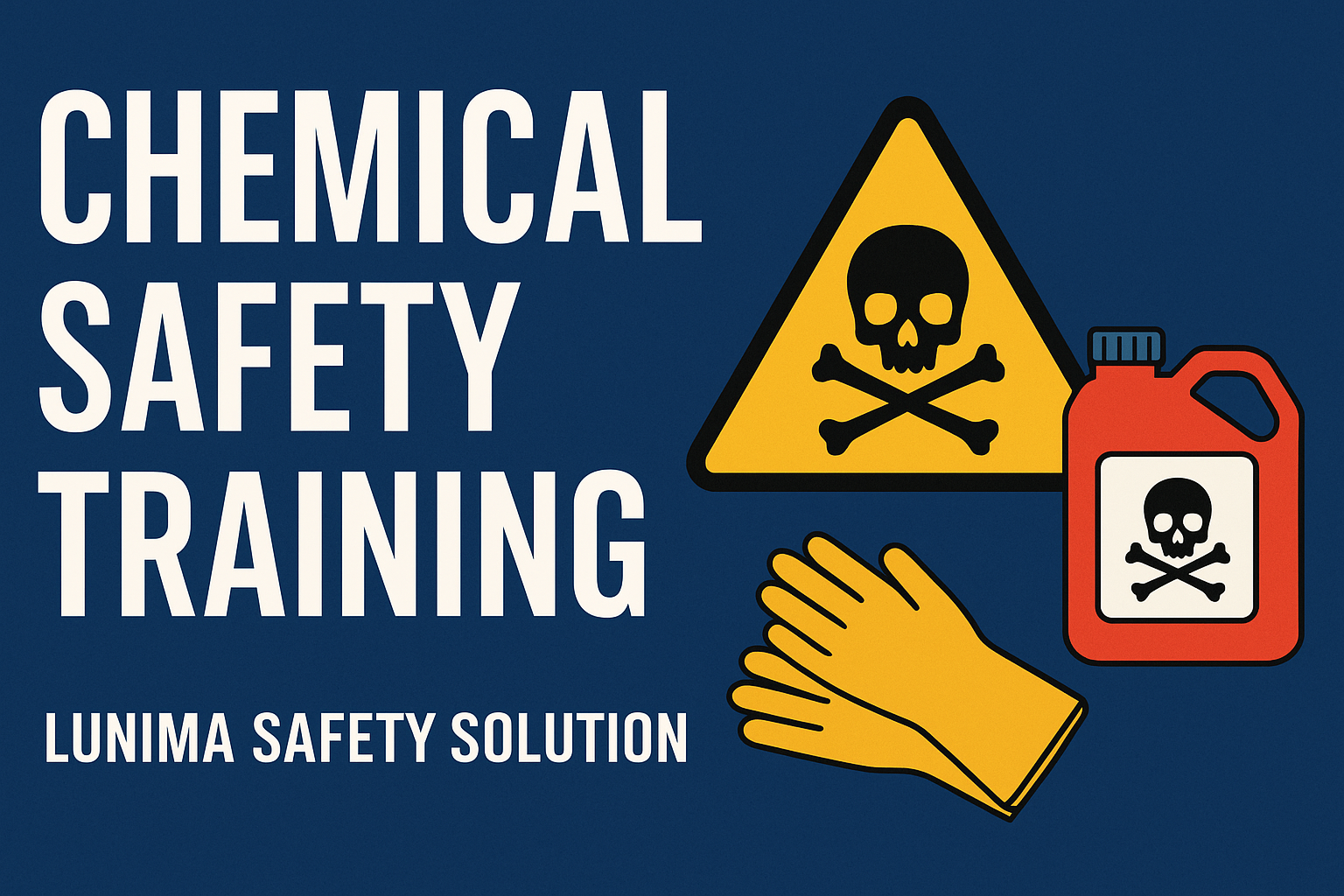
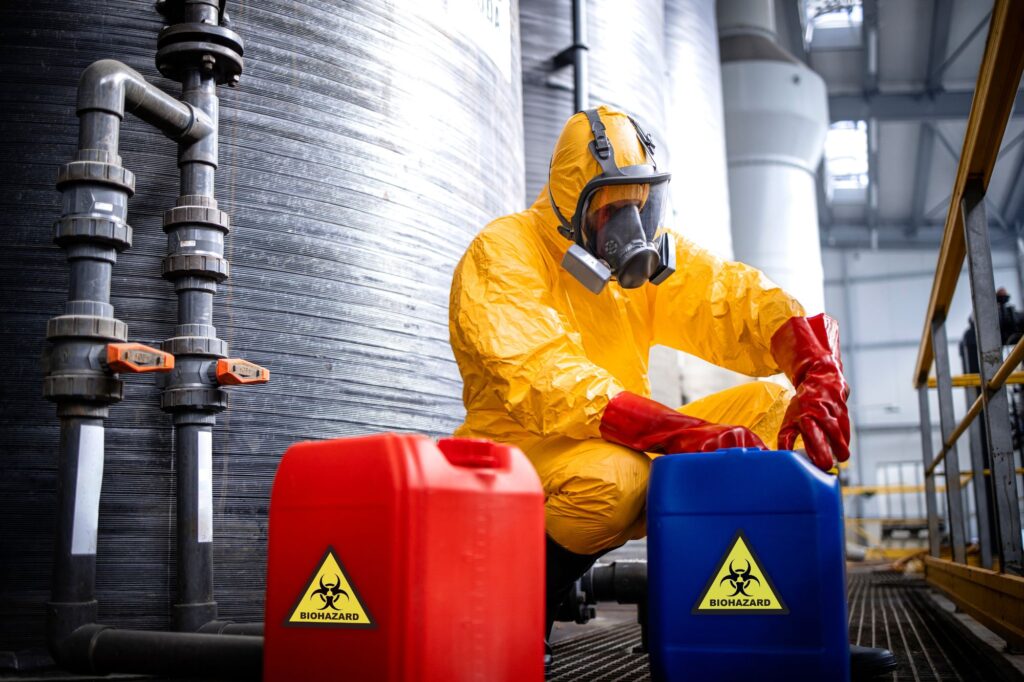
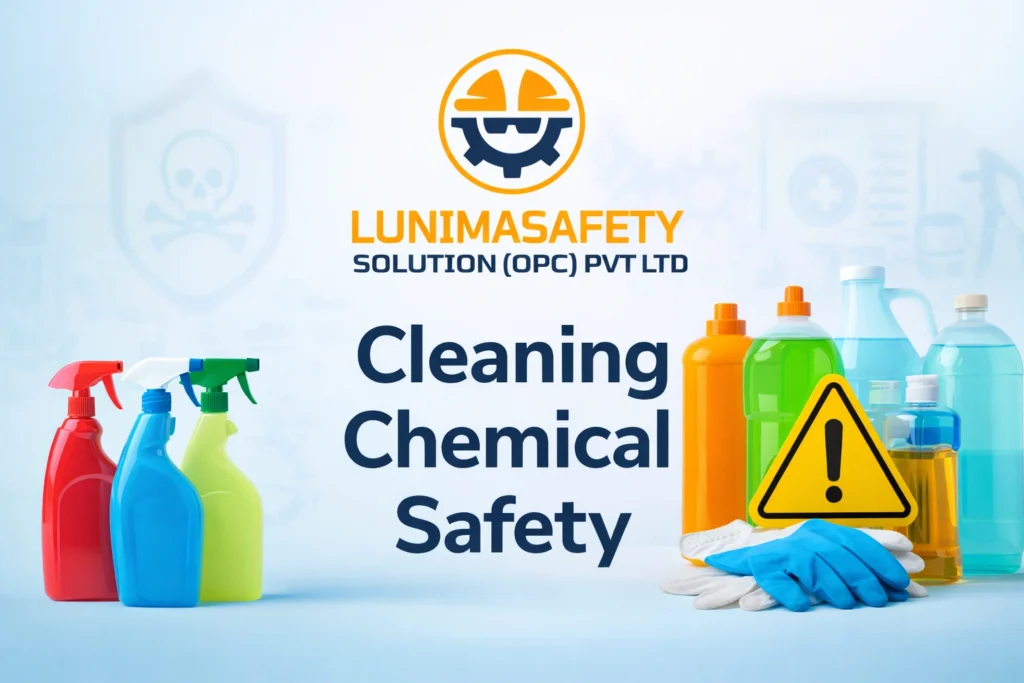
When it comes to handling chemicals—whether in laboratories, factories, construction sites, or even cleaning services—safety is not optional. It’s a necessity. A Chemical Safety Training Program is the cornerstone of a healthy, hazard-free working environment, helping employees understand risks, handle substances responsibly, and react effectively in case of emergencies. In this blog, we’ll explore everything about Chemical Safety Training Programs—what they are, why they matter, who needs them, and how to implement an effective one. 🔍 What is a Chemical Safety Training Program? A Chemical Safety Training Program is a structured course designed to educate workers on the proper handling, storage, usage, and disposal of hazardous chemicals. It also includes instructions on the correct use of PPE (Personal Protective Equipment), understanding Safety Data Sheets (SDS), and what to do during spills or chemical-related emergencies. 🧪 Why is Chemical Safety Training Important? Chemicals can be toxic, corrosive, flammable, or reactive. Mishandling even a small amount can lead to: A well-designed training program reduces these risks significantly. 👩‍🏭 Who Needs Chemical Safety Training? Any individual who works in environments involving chemicals must undergo chemical safety training, including: Even managers should understand the basics to ensure compliance and oversight. 📚 Key Components of a Chemical Safety Training Program 1. Understanding Hazardous Chemicals 2. Reading and Interpreting Safety Data Sheets (SDS) 3. Proper Labeling and Signage 4. Personal Protective Equipment (PPE) 5. Storage and Handling Procedures 6. Spill and Emergency Response 7. Waste Disposal Guidelines 🏢 How to Implement an Effective Chemical Safety Training Program ✅ 1. Assess the Risk Identify all hazardous substances present in your workplace and assess the associated risks. ✅ 2. Customize the Training Adapt the training modules based on the specific chemicals and work processes relevant to your industry. ✅ 3. Engage Qualified Trainers Use certified occupational safety professionals or chemical safety experts to conduct sessions. ✅ 4. Include Hands-On Practice Real-life demonstrations and mock drills enhance understanding and confidence. ✅ 5. Use Clear and Visual Materials Leverage videos, infographics, and real-life case studies to make content engaging and relatable. ✅ 6. Monitor and Evaluate Regular quizzes, feedback forms, and observation of on-job practices can help improve the program continuously. 📝 Legal Requirements and Compliance Most countries have regulations related to chemical safety, such as: Non-compliance can result in hefty fines, workplace accidents, and even shutdowns. 🌱 Benefits of Chemical Safety Training 🛡️ Choose the Right Training Partner Whether you’re a manufacturing plant or a hospital, choosing an experienced training provider is essential. Look for: 💬 Final Thoughts Investing in a Chemical Safety Training Program is not just about ticking a compliance box—it’s about creating a culture of safety, responsibility, and care. With proper training, employees are not only protected, but they also feel valued and empowered to contribute to a safer, more productive workplace.

construction site safety training program
Blog

Construction Site Safety Training Program Courses

Construction Site Safety Training Program he construction industry is one of the fastest-growing sectors worldwide, but it is also among the most hazardous. From working at great heights to handling heavy machinery, construction workers face numerous risks daily. According to global safety reports, thousands of workplace accidents occur on construction sites every year due to inadequate safety knowledge. This is where Construction Site Safety Training Program Courses play a crucial role. These programs not only safeguard workers’ lives but also ensure that companies comply with government regulations, reduce costs, and improve productivity. Why Construction Site Safety Training is Important? Construction sites are full of potential hazards, including: Falls from scaffolding or ladders Heavy equipment accidents Electrical shocks and fires Chemical exposure Manual handling injuries Without proper training, workers may not be aware of the correct preventive measures, which can lead to accidents and legal issues for employers. Key Benefits of Safety Training: Reduces workplace injuries and fatalities Ensures compliance with OSHA, NEBOSH, and local safety standards Saves costs related to insurance, medical expenses, and legal fines Increases worker confidence and efficiency Creates a positive safety culture within the company What is a Construction Site Safety Training Program? A Construction Site Safety Training Program is a structured course designed to educate workers, supervisors, and contractors about workplace hazards, safe practices, and emergency response. Objectives of the Training: Identifying and minimizing workplace hazards Proper usage of PPE (Personal Protective Equipment) Safe handling of tools and machinery Emergency preparedness and first aid Building a culture of safety at work Types of Construction Site Safety Training Courses 1. General Safety Awareness Training Covers basic safety protocols, PPE usage, and hazard identification for all construction workers. 2. Equipment & Machinery Safety Training Teaches safe operation of cranes, forklifts, power tools, and heavy equipment. 3. Fall Protection Training Focused on preventing falls from ladders, scaffolds, and rooftops through harnesses and guardrails. 4. Fire & Electrical Safety Training Educates workers on fire prevention, fire extinguisher use, and electrical hazard awareness. 5. Hazard Communication & Chemical Safety Training Guides workers in safe handling of chemicals, reading safety data sheets (SDS), and avoiding toxic exposure. 6. First Aid & Emergency Response Training Provides workers with life-saving skills, including CPR, wound care, and evacuation procedures. 7. Manual Handling & Ergonomics Training Focuses on lifting techniques, reducing strain injuries, and improving workplace ergonomics. 8. Advanced Safety Leadership Training Designed for supervisors and managers to handle risk assessments, compliance, and safety audits. Course Structure & Learning Methods Safety training is delivered through a mix of: Classroom sessions – covering theory, regulations, and hazard awareness On-site practical training – real-life safety demonstrations E-learning modules – digital courses accessible anytime VR & AR simulations – interactive training for high-risk tasks Assessments & certifications – testing knowledge and ensuring skill development The duration of courses can vary from a few hours to several weeks, depending on the type of certification. Benefits of Enrolling in Safety Training Programs For Workers: Gain industry-recognized certifications (NEBOSH, IOSH, OSHA) Improve job opportunities and career growth Stay safe while working in high-risk environments For Employers: Compliance with safety regulations Reduction in workplace accidents and downtime Lower insurance premiums and compensation costs Enhanced company reputation in the industry Choosing the Right Safety Training Program When selecting a safety training program, consider: Accreditation: Ensure the course is recognized by OSHA, NEBOSH, or local authorities Trainer Expertise: Look for experienced trainers with real-world construction knowledge Relevance: The program should be tailored to your industry and work environment Flexibility: Online/offline learning options for convenience Certification Validity: Check how long the certification remains valid Future Trends in Construction Safety Training The construction industry is evolving, and so is safety training. Emerging trends include: Virtual Reality (VR) Training: Simulating high-risk environments for realistic learning AI-driven Monitoring: Smart sensors and cameras detecting unsafe practices Mobile Learning Apps: Training workers on-site via smartphones Global Safety Standard Integration: Alignment with ISO and international safety frameworks Construction sites are inherently risky, but with the right Construction Site Safety Training Program Courses, these risks can be minimized. Training not only protects workers’ lives but also ensures smooth business operations, legal compliance, and cost savings. 👉 Remember: A safe construction site is a productive construction site. Whether you are a worker looking to enhance your career or an employer aiming to safeguard your workforce, investing in safety training is the smartest decision.

Chemical Safety Training Program in Greater Noida | Safety Training Program
Blog

Safety Training Program Courses at Lunima Safety Solution

In today’s fast-paced industrial and corporate environment, safety is not just a requirement—it is a responsibility. Organizations across sectors are realizing the importance of maintaining high safety standards to protect their workforce, assets, and reputation. This is where Lunima Safety Solution plays a pivotal role, offering specialized Safety Training Program Courses that empower individuals and organizations with the knowledge, skills, and confidence to create safer workplaces. About Lunima Safety Solution Lunima Safety Solution is a premier institute dedicated to advancing workplace health, safety, and environmental standards. With a mission to reduce risks and foster a culture of safety, the institute provides professional training programs designed for students, professionals, and organizations alike. Their courses combine practical insights, industry standards, and hands-on learning to ensure participants are equipped to handle real-world safety challenges. Comprehensive Training Programs Lunima Safety Solution offers a wide range of safety training program courses that cater to different levels of learners—from beginners to advanced professionals. Popular Certification Courses Advanced Diplomas & Specialized Programs For those aiming for career growth in the safety domain, Lunima Safety Solution provides in-depth diploma and postgraduate programs, including: These programs not only enhance technical expertise but also open career opportunities in industries like construction, manufacturing, oil & gas, chemical plants, and renewable energy. Industry-Specific Training Apart from academic certifications, Lunima Safety Solution also delivers practical, industry-focused training modules: Why Choose Lunima Safety Solution? Who Should Join? Conclusion Lunima Safety Solution is more than just a training institute—it is a partner in creating safer, smarter, and more compliant workplaces. Their Safety Training Program Courses empower individuals to grow professionally and help organizations reduce risks, ensure legal compliance, and safeguard lives. Investing in safety training today means investing in a secure and sustainable future.